The History of Church Pews: From Medieval Benches to Modern Worship Seating
Church pews are one of the most recognizable features of Christian worship spaces. Admired for their beauty, craftsmanship, and functionality, pews provide congregants with a place to sit, kneel, and participate in worship. But their history is more fascinating than most people realize, spanning centuries of evolution and cultural significance.
Early Seating in Churches
In the earliest Christian churches, seating was minimal. Most worshipers stood during services, and only a few benches were available for the elderly or infirm. Worship in the early medieval period was often long, with standing as the default position. Kneeling during prayer became increasingly common, but seating remained scarce, creating discomfort for congregations.
The First Church Pews
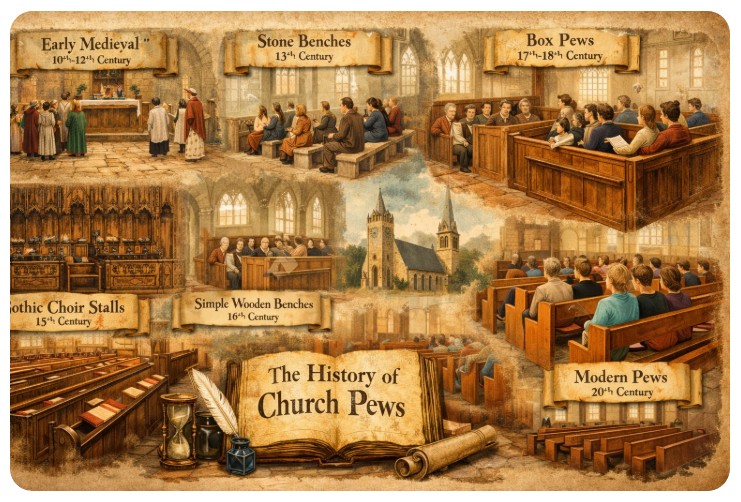
The first pews appeared in the 13th and 14th centuries, initially as backless wooden benches or stone slabs. These early pews were simple and functional, designed to provide seating for those who could not stand for long periods. They were not yet widespread and were often found only in wealthier churches or cathedrals.
By the 15th century, wooden pews became more common in European churches. These benches were often movable and lacked the elaborate features seen in later designs.
Pews Become a Standard Feature
It wasn’t until after the Protestant Reformation (16th century) that pews became a permanent and standardized feature in many churches. During this time, congregational participation in worship increased, and churches needed organized seating to accommodate larger groups.
Early pews were often funded by wealthier families, who sometimes claimed ownership of a particular pew. These pews were seen as status symbols, with ornate carvings or cushioned seating distinguishing one family’s pew from another.
Evolution of Design and Comfort
Over the centuries, church pews evolved in design, function, and comfort:
-
Box pews (16th–18th centuries): Fully enclosed wooden pews with doors, providing privacy and warmth for families during services, especially in colder regions.
-
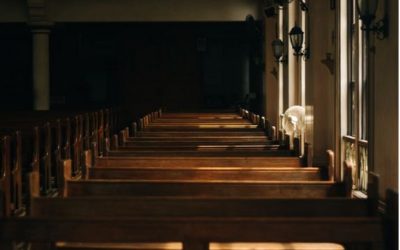
Standard pews (19th century): Straight, open benches with backs, becoming the typical style in Protestant churches.
-
Radial pews (20th century): Slightly curved benches that allow congregants to face a focal point like the pulpit or altar.
-
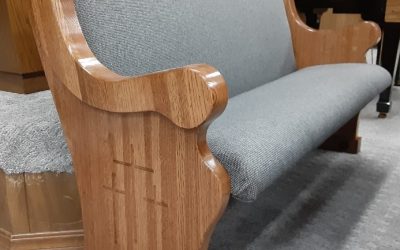
Modern pews: Made from a variety of hardwoods, often featuring cushions, book racks, kneelers, and other functional accessories.
Pews Around the World
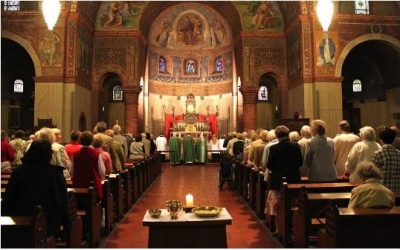
Today, church pews are standard in Christian congregations worldwide, particularly in the United States and Europe. They serve not only as practical seating but also as an integral part of the church’s architectural and spiritual experience. Advances in woodworking and manufacturing allow for custom pews with varied styles, finishes, and comfort levels to suit any sanctuary.
The Lasting Significance of Church Pews
Church pews are more than just furniture—they represent centuries of tradition, worship practices, and community life. From simple stone benches to modern cushioned pews, these fixtures have evolved to meet the needs of congregations while reflecting the cultural and spiritual values of the time.
Whether in a historic cathedral or a small neighborhood church, pews continue to provide a place of comfort, focus, and fellowship for worshipers around the world.